Pav Bhaji: History, Ingredients, Cooking Tips, and the Joy of Mumbai’s Favourite Street Food

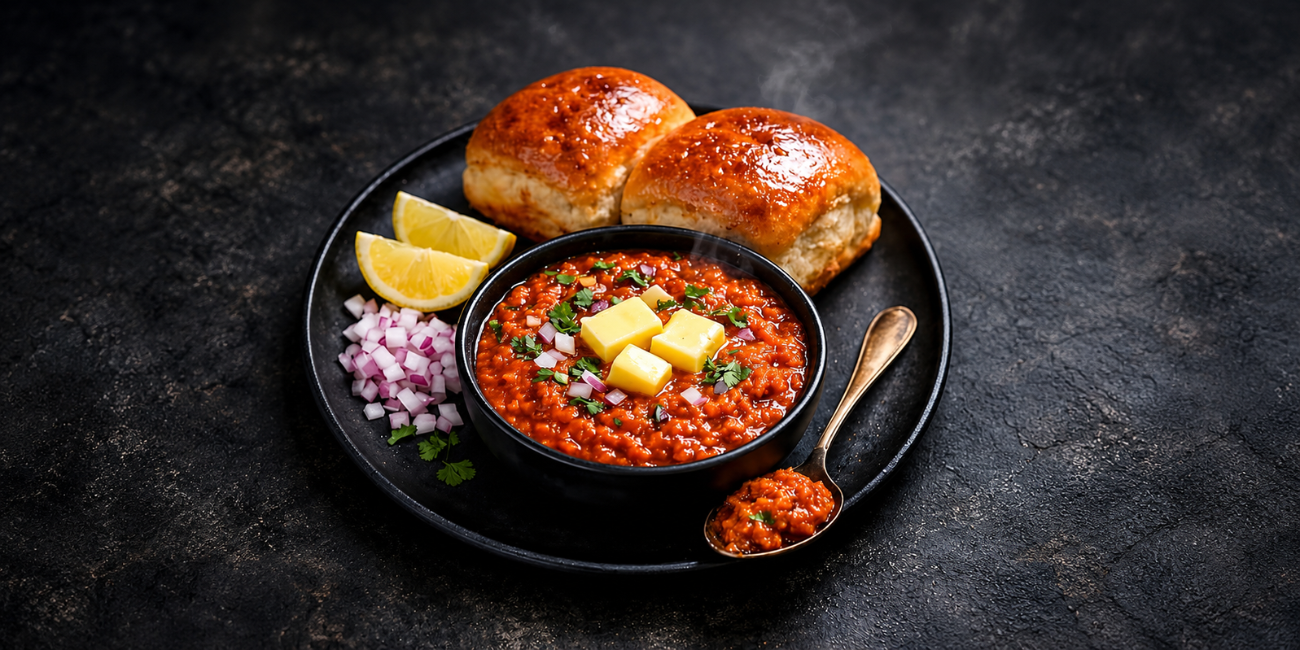
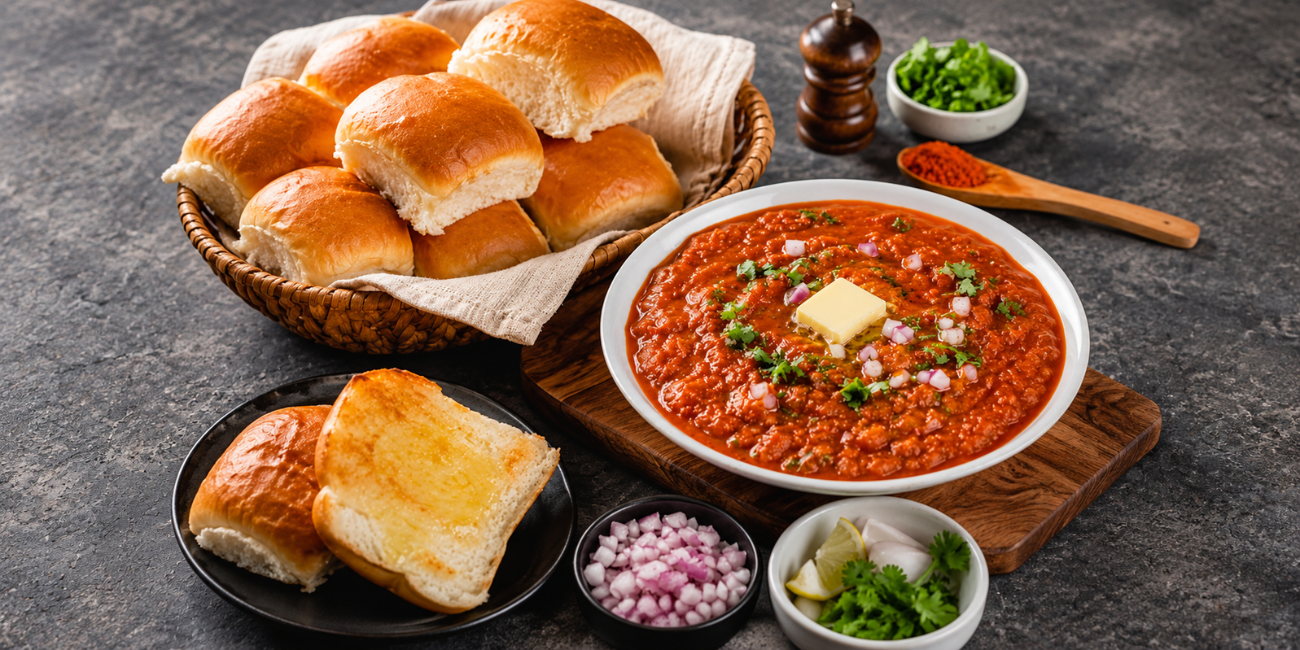
Main Classic Pav Bhaji image

Few Indian dishes capture the joy of street food quite like a plate of spicy vegetable mash served with warm, buttery bread. It is colourful, filling, full of flavour, and easy to enjoy at any time of the day. From busy street stalls to modern restaurants, this much-loved Indian classic has earned a special place in the hearts of food lovers.

Its appeal comes from a simple combination of ingredients. Mixed vegetables are cooked with spices, mashed into a thick curry, and served with soft bread toasted on a hot pan. A squeeze of lemon, chopped onions, and fresh coriander add the finishing touch. Every bite brings together warmth, spice, freshness, and richness.

Although the dish is strongly linked to Mumbai, it is now popular across India. Families enjoy it at home, friends order it when meeting at restaurants, and travellers often look for it when exploring a new city. Its simple ingredients and bold flavours make it suitable for many occasions.

In this guide, we explore its origins, essential ingredients, regional variations, cooking techniques, nutritional value, serving ideas, and tips for finding a satisfying meal when dining out.

For diners in Varanasi who enjoy exploring different cuisines, Behind Yellow Doors Diner (BYD Diner) offers a multi-cuisine dining experience that brings Indian favourites together with dishes inspired by food cultures around the world.

What Makes This Indian Street Food So Special?

The magic lies in the contrast between the soft vegetable mixture and the toasted bread. The curry is usually thick and smooth, with small pieces of vegetables adding texture. The bread is warm, slightly crisp on the outside, and soft inside.

The flavour comes from several elements working together:

  • Vegetables: Potatoes, peas, cauliflower, carrots, and capsicum create the base.
  • Spices: A special spice blend adds warmth, colour, and depth.
  • Butter or oil: These ingredients help cook the vegetables and develop a rich flavour.
  • Bread: Soft pav provides a mild contrast to the spicy curry.
  • Fresh toppings: Lemon juice, coriander, and chopped onions bring freshness to the dish.

The balance between these ingredients is important. Too much spice can overpower the vegetables, while too little seasoning can make the curry taste flat.

A well-prepared serving should feel rich but balanced, spicy without being harsh, and filling without losing its fresh vegetable flavour.

Another reason for its popularity is flexibility. The recipe can be adjusted to suit different spice levels and preferences. Some people prefer extra butter, while others choose less oil. Some enjoy a smooth texture, while others prefer a coarser vegetable mash.

This ability to adapt has helped the dish move beyond its street-food roots and become a familiar choice in homes, cafés, and restaurants.

The Story Behind Mumbai’s Famous Street Food

The history of this dish is closely associated with Mumbai, formerly known as Bombay. During the nineteenth century, the city became a major centre for textile mills and industrial work. Workers often needed meals that were affordable, filling, and quick to eat.

Street vendors played an important role in meeting this demand. A meal made from inexpensive vegetables, spices, and bread was practical for people working long hours.

Over time, the recipe developed into the version that many people recognise today. The vegetable mixture became richer, the spice blend more distinctive, and the bread was toasted with butter before serving.

Mumbai’s street-food culture helped spread the dish across neighbourhoods. Different vendors developed their own methods, changing the spice levels, vegetable combinations, and cooking techniques.

As travel, migration, and restaurant culture expanded, the dish reached other Indian cities and international communities.

Today, it represents more than an inexpensive meal. For many people, it brings back memories of family outings, evening snacks, college days, and trips to favourite street vendors.

Its popularity also shows how everyday food can become part of a city’s identity. A recipe created to meet a practical need can eventually become one of the most recognisable dishes associated with a place.

Understanding the Main Ingredients

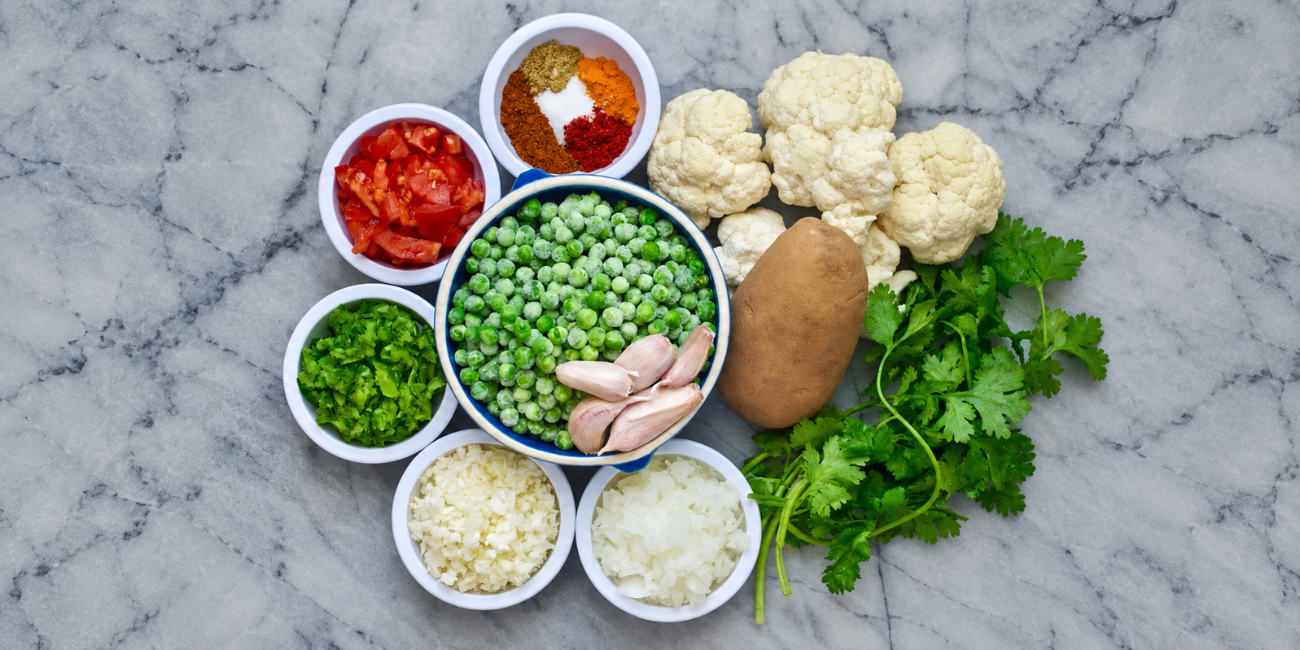
All the basic ingredients required in pav bhaji

You do not need a long list of expensive ingredients to prepare a delicious serving. Most of the ingredients are easy to find in an Indian kitchen.

1. Potatoes

Potatoes provide a thick, soft base. When cooked and mashed, they help bind the other vegetables together.

Choose potatoes that become soft when boiled. Mash them well if you prefer a smooth texture, or leave a few small pieces for extra bite.

2. Cauliflower

Cauliflower adds body and a mild vegetable flavour. It blends well with potatoes and absorbs the spices during cooking.

Cut it into small florets so it cooks evenly.

3. Green peas

Peas contribute a gentle sweetness that balances the stronger spices.

Fresh or frozen peas can both work. Cook them until tender before mashing them into the mixture.

4. Carrots

Carrots add colour, sweetness, and variety. They also help create a more balanced vegetable combination.

Chop them into small pieces to reduce cooking time.

5. Capsicum

Capsicum, also known as bell pepper, adds a fresh aroma and a slightly sweet flavour. Green capsicum is common, but other colours can also be used.

Sauté it before adding the other ingredients to release its flavour.

6. Tomatoes

Tomatoes provide moisture and acidity. They help create a rich base and prevent the mixture from tasting too heavy.

Cook them until soft before adding the spice blend.

7. Onions and garlic

Onions provide sweetness when cooked, while garlic adds a deeper savoury note.

Cook them over medium heat until softened rather than allowing them to burn.

8. Spice blend

A traditional spice blend is essential for achieving the familiar flavour. It usually contains a mix of dried spices, although the exact ingredients and proportions can vary by brand and recipe.

You can adjust the quantity according to your preferred level of heat.

9. Bread rolls

Pav is a soft bread roll that is toasted on a hot pan. Butter gives the outside a golden colour and adds richness.

Fresh rolls generally provide the best texture. If the bread is too dry, it may become hard when toasted.

10. Lemon and coriander

These final ingredients may look simple, but they make a noticeable difference.

Lemon juice adds brightness, while coriander provides a fresh aroma. Add them near the end so their flavours remain clear.

How to Prepare a Delicious Homemade Version

Making this dish at home allows you to control the spice level, ingredients, and amount of butter.

Ingredients

For approximately four servings, prepare:

  • 3 medium potatoes
  • 1 cup cauliflower florets
  • ½ cup green peas
  • 1 small carrot
  • 1 green capsicum
  • 2 medium tomatoes
  • 1 medium onion
  • 1 teaspoon ginger-garlic paste
  • 2–3 teaspoons of the chosen spice blend, adjusted to taste
  • ½ teaspoon turmeric powder
  • ½ teaspoon chilli powder, optional
  • 2 tablespoons cooking oil or butter
  • Salt as needed
  • Fresh coriander
  • Lemon wedges
  • 8 pav rolls
  • Additional butter for toasting, if desired

Step 1: Cook the vegetables

Wash and chop the potatoes, cauliflower, carrots, and peas.

Boil or pressure-cook them until tender. Drain any excess water and keep the vegetables aside.

The vegetables should be soft enough to mash easily.

Step 2: Prepare the flavour base

Heat oil or butter in a large pan.

Add chopped onions and cook until they soften. Add the ginger-garlic paste and cook briefly.

Add chopped capsicum and stir for a few minutes.

Next, add the tomatoes and cook until they become soft and begin to break down.

Step 3: Add the spices

Add turmeric, the spice blend, optional chilli powder, and salt.

Mix well so the spices coat the tomato and onion mixture.

If the pan becomes too dry, add a small splash of water. Allow the spices to cook briefly without burning.

Step 4: Add and mash the vegetables

Add the cooked vegetables to the pan.

Use a masher to combine them with the spice mixture. Add a little water if needed to achieve a thick, spreadable consistency.

Keep cooking over low to medium heat, stirring regularly.

Step 5: Adjust the seasoning

Taste the mixture.

Add more spice blend if needed, or a little water if the consistency is too thick. Allow the flavours to combine for several minutes.

Finish with chopped coriander and a squeeze of lemon.

Step 6: Toast the bread

Slice the rolls horizontally without separating the halves completely.

Heat a flat pan and add a little butter.

Place the bread cut-side down and toast until lightly golden. Turn briefly if needed.

Step 7: Serve immediately

Spoon the hot vegetable mixture onto a plate.

Arrange the toasted bread beside it and garnish with chopped onions, coriander, and lemon.

Serve while the bread is warm and the curry is hot.

The best result comes from balancing the texture, seasoning, and temperature. The vegetable mixture should be thick but not dry, while the bread should be toasted but not hard.

Popular Variations Worth Exploring

One of the most interesting aspects of this recipe is how easily it can be adapted. Different regions, households, and restaurants may use slightly different methods.

Classic Mumbai style

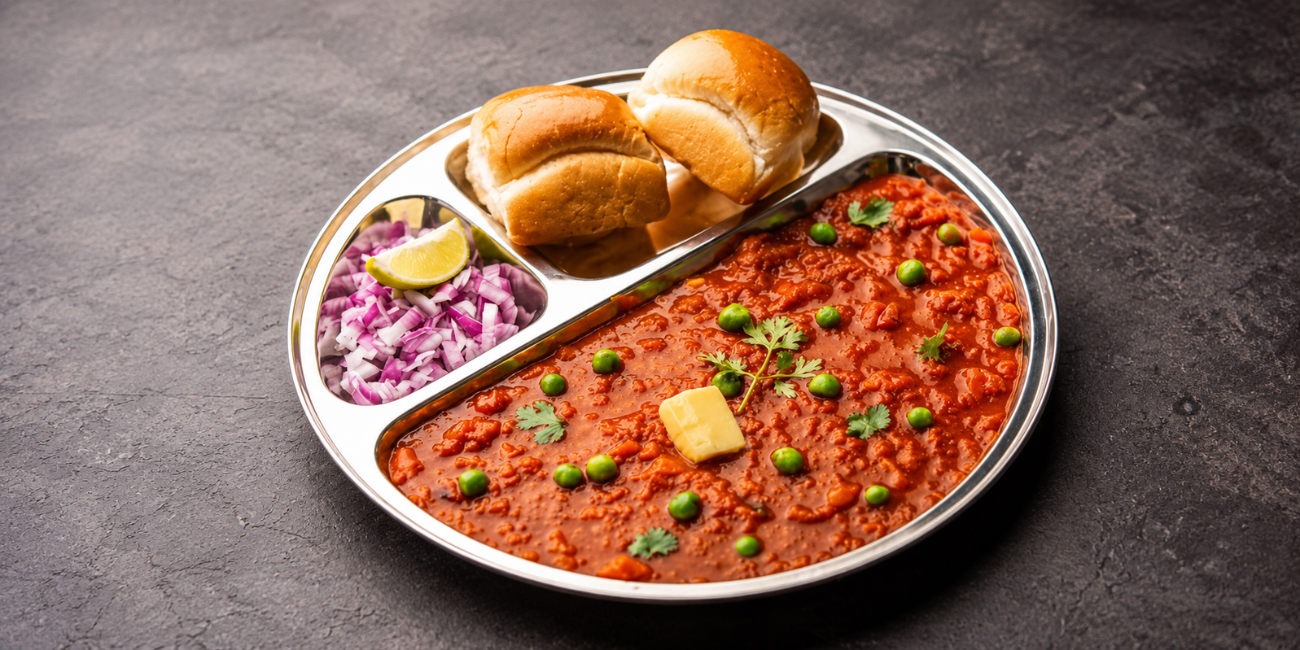
Classic Mumbai Style pav bhaji

The classic version focuses on a smooth vegetable mixture with a bold spice profile. Butter is often used during cooking and when toasting the bread.

The vegetables are mashed thoroughly, allowing their flavours to blend into a consistent curry.

Jain-style preparation

Jain Style pav bhaji

Some people avoid onion, garlic, and certain root vegetables for religious or dietary reasons.

A Jain-style version can be prepared using suitable vegetables, tomatoes, capsicum, and spices. The ingredient list should be checked carefully to meet the diner’s requirements.

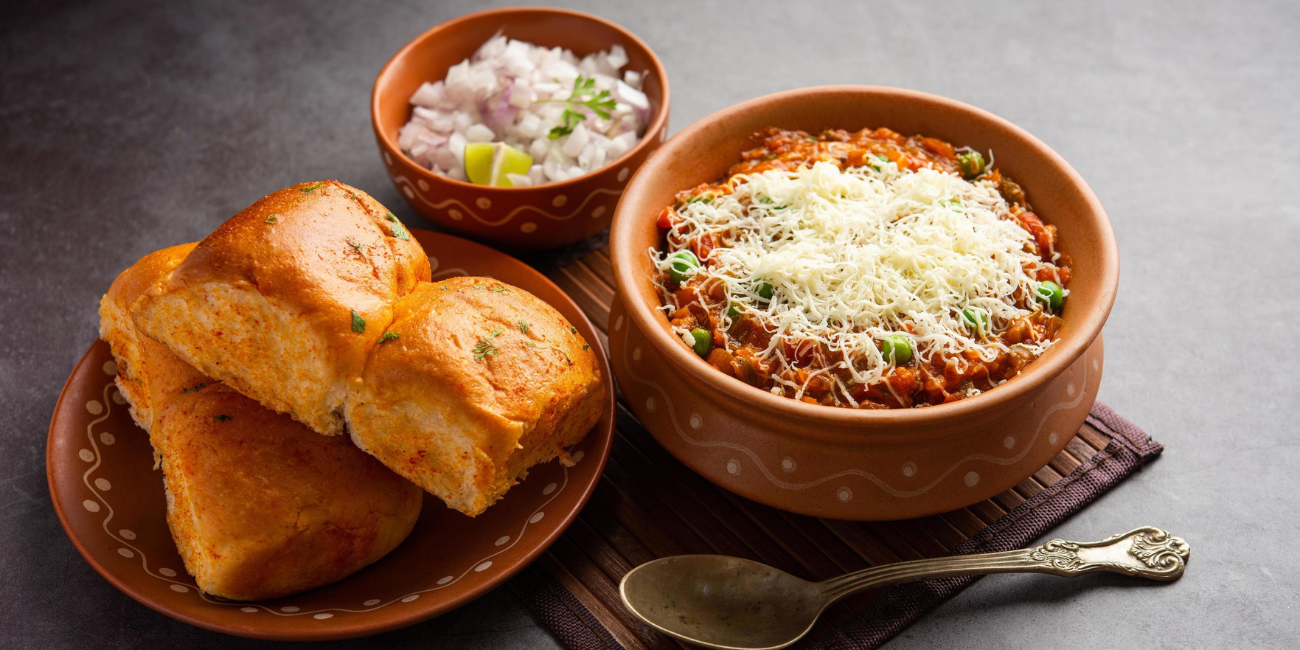
Cheese-topped version

Cheese topped pav bhaji

Cheese adds a creamy texture and mild flavour. It is often sprinkled over the hot vegetable mixture so it begins to melt before serving.

This variation appeals to people who enjoy richer street-food combinations.

Extra-spicy version

Extra spicy version pav bhaji

For those who enjoy stronger flavours, additional chilli or a spicier seasoning blend can be used.

However, increasing the heat should not mean losing the flavour of the vegetables. The spices should complement the ingredients rather than completely hide them.

Less-butter version

A lighter version can use less butter and a measured amount of oil.

You can also add more vegetables to increase variety and make the portion more balanced. The bread can be lightly toasted rather than heavily buttered.

Mixed-vegetable version

Some cooks add beans, sweet corn, or other seasonal vegetables.

These additions change the flavour and texture, but they also make the recipe more flexible.

When experimenting, it is best to retain a balance between soft vegetables, tomatoes, seasoning, and bread.

What Is the Best Way to Serve It?

Presentation can improve the dining experience, especially when serving guests.

A traditional plate includes the hot vegetable mixture, toasted bread, chopped onions, lemon, and coriander. Each topping has a purpose.

The onions provide crunch, lemon adds acidity, and coriander gives a fresh finish.

Here are a few practical serving ideas.

For a family meal: Serve the curry in a large bowl and arrange the bread in a basket so everyone can help themselves.

For a casual gathering: Prepare individual plates with a small bowl of toppings, allowing guests to adjust the flavour.

For children: Keep the spice level mild and serve the lemon separately.

For a filling lunch: Add a side salad or another vegetable dish to create a more varied meal.

For an evening snack: Serve a smaller portion with freshly toasted bread.

Temperature is important. The curry is most enjoyable when hot, and the bread is best served soon after toasting.

If you are preparing several portions, keep the vegetable mixture warm and toast the bread in batches. This helps prevent the bread from becoming cold and soft.

Is This Dish Nutritious?

The nutritional value depends on the ingredients, portion size, and cooking method.

Vegetables such as potatoes, peas, carrots, cauliflower, tomatoes, and capsicum contribute carbohydrates, fibre, vitamins, and minerals. Potatoes provide energy, while peas and other vegetables add variety to the meal.

Bread also contributes carbohydrates, making the combination a source of energy.

Butter and oil add fat and flavour. Using larger amounts can significantly increase the meal’s energy content.

Cheese, if included, adds protein and fat. The exact nutritional profile will depend on the type and quantity used.

For a more balanced meal, consider the following adjustments:

  • Include a variety of vegetables.
  • Use butter in moderation if you prefer a lighter version.
  • Choose a portion size that suits your appetite.
  • Add a protein-rich side dish when appropriate.
  • Include fresh salad or other vegetables alongside the main serving.

No single dish needs to provide every nutrient. Overall dietary variety, portion size, and eating habits matter more than judging a food in isolation.

People managing specific medical conditions or following a prescribed diet should follow advice from their qualified healthcare professional.

Common Cooking Mistakes and How to Avoid Them

Even a familiar recipe can taste different depending on how it is prepared.

Using vegetables that are not fully cooked

Hard vegetable pieces can make the mixture uneven and difficult to mash.

Solution: Cook the vegetables until they are tender before adding them to the spice base.

Burning the spices

Spices can become bitter if left in a hot, dry pan for too long.

Solution: Keep the heat moderate and add a little water when the mixture becomes dry.

Making the curry too watery

A thin mixture may lack the thick consistency expected from this dish.

Solution: Mash the vegetables well and simmer uncovered for a short time to remove excess moisture.

Adding too much chilli

Excessive heat can overpower the vegetables and reduce the balance of flavours.

Solution: Start with a smaller amount and adjust after tasting.

Toasting the bread for too long

Over-toasted rolls may become hard and lose their soft centre.

Solution: Use medium heat and toast only until the cut surface becomes golden.

Skipping the final seasoning check

The flavour may change as the vegetables cook and the mixture thickens.

Solution: Taste near the end and adjust the salt, spices, and lemon juice.

Preparing everything too far in advance

The bread may become cold or soggy, while the curry may thicken as it stands.

Solution: Prepare the vegetable mixture first and toast the bread just before serving.

These small details can make the difference between an ordinary meal and one that feels carefully prepared.

Why Street Food Is Such an Important Part of Indian Food Culture

Street food is not only about convenience. It also reflects local ingredients, working lifestyles, regional tastes, and the way people gather around food.

Across India, street vendors serve a wide variety of dishes, from chaat and dosas to rolls, kebabs, sandwiches, and regional snacks.

These foods are often affordable and quick to serve. They also encourage experimentation because vendors can adjust recipes to suit local preferences.

Some preparations become strongly associated with a particular city. Others travel across the country and develop new regional variations.

This process helps keep Indian food culture lively. Familiar dishes are passed between generations, while new cooks introduce fresh ideas.

For visitors, trying local food can also be a way to understand a place. The ingredients, spice levels, serving styles, and eating habits all provide a glimpse into everyday life.

At the same time, hygiene and food handling matter. Choose vendors and restaurants that maintain clean preparation areas, use fresh ingredients, and serve food at suitable temperatures.

Choosing a Good Restaurant for an Indian Food Craving

Cooking at home can be enjoyable, but there are times when eating out is more convenient.

You might be meeting friends after work, taking your family out for dinner, or simply looking for a change from your usual routine.

When selecting a restaurant, consider more than the menu.

Look for menu variety

A restaurant with a broad menu can be useful when different people have different preferences. One guest may want a traditional Indian meal, while another may prefer continental or Asian food.

Consider freshness and preparation

Freshly prepared food generally offers better texture and flavour. Notice whether dishes are served at an appropriate temperature and whether the restaurant maintains good hygiene.

Check the dining environment

Comfortable seating, a welcoming atmosphere, and attentive service can improve the experience.

Read current reviews carefully

Recent customer feedback may help you understand service, cleanliness, portion sizes, and the overall dining experience. Look for repeated themes rather than relying on one unusually positive or negative review.

Confirm menu availability

Menus can change, and some items may not be available every day. Check the current menu or contact the restaurant before travelling if a particular dish is important to your visit.

These steps can help you make a more informed choice and avoid disappointment.

Looking for Pav Bhaji Near Me? What Should You Consider?

Searching for pav bhaji near me is often the first step when a craving strikes. However, the closest option is not always the most suitable one.

Start by considering your location and how far you are willing to travel. A restaurant near your home or workplace may be convenient for a quick meal, while a destination restaurant may be more appealing for a relaxed evening with friends.

Next, check whether the restaurant offers the style you enjoy. Some places prepare a buttery, street-style version, while others may offer a milder recipe or modern variations.

It is also worth checking:

  • Whether the restaurant has suitable seating for your group.
  • Whether vegetarian dishes are clearly identified.
  • Whether the latest menu is available online.
  • Whether current reviews mention food quality and service.
  • Whether the restaurant is open at your preferred time.
  • Whether takeaway or delivery is available, if needed.

If you are planning a family outing, a multi-cuisine restaurant can be particularly practical. Everyone can choose something different without having to visit several places.

For diners in Varanasi, BYD Diner’s official website is a useful starting point for exploring its dining concept, locations, and menu information.

The restaurant brings together Indian favourites and international dishes, giving groups a wider range of choices. You can review the available information before deciding whether it suits your plans.

Remember that a search result alone does not guarantee that a specific dish is currently available. Check the latest menu or contact the restaurant directly before visiting.

Why Multi-Cuisine Restaurants Appeal to Modern Diners

Eating out has become a social activity as much as a way to enjoy food.

A group of friends may want to try different dishes, while families often include people with different tastes and appetites. A restaurant offering several cuisines can make these gatherings easier to plan.

One person may prefer Indian comfort food, another may want pasta, and someone else may choose a burger or Asian-inspired dish.

Multi-cuisine dining gives everyone room to explore without forcing the group to settle on a single style of cooking.

This idea is central to the experience presented by Behind Yellow Doors Diner. The restaurant describes its concept as a combination of global flavours, bringing together Indian, Italian, Mexican, Chinese, and other culinary influences.

Its two listed locations in Varanasi are in Chittupura, Sigra, and Sikraul, Bhojuveer, behind Vishal Mega Mart. Visitors can check the official website for the latest contact and location information before planning a visit.

The broader appeal of this dining style is simple: variety makes it easier to share a meal with people who have different preferences.

How to Enjoy Indian Street Food as Part of a Balanced Diet

Enjoying rich, flavourful food does not mean that every meal has to be heavy.

A balanced approach allows you to appreciate traditional recipes while paying attention to portions and variety.

Here are a few practical ideas:

Pay attention to portions. Choose an amount that satisfies your appetite rather than ordering more than you can comfortably eat.

Add fresh vegetables. Salad, cucumber, or other fresh vegetables can provide contrast and variety.

Be mindful of toppings. Butter, cheese, and sauces contribute flavour, but their quantities can affect the overall energy content.

Drink water. Water is a simple choice alongside a meal, especially when the food is spicy.

Enjoy food without rushing. Eating slowly helps you notice flavours and recognise when you feel satisfied.

Keep variety in your diet. Include different vegetables, fruits, grains, pulses, and protein sources across your meals.

The goal is not to remove the pleasure from food. It is to enjoy familiar dishes while maintaining eating habits that suit your needs.

Making the Experience More Enjoyable at Home

You can make a homemade serving feel more special without using complicated ingredients.

Prepare the vegetables in advance, but keep the final cooking steps close to serving time. This reduces stress and helps maintain freshness.

Use a wide pan so the mixture cooks evenly and can be mashed easily.

Prepare the toppings separately. Chopped onions, coriander, lemon wedges, and a little extra spice blend allow each person to customize their plate.

Toast the bread in small batches rather than preparing all of it too early.

If guests are visiting, serve the curry in a warm bowl and place the bread in a basket lined with a clean cloth. Keep the toppings in separate bowls so the table looks organised.

You can also create a simple meal spread with a fresh salad, a cooling drink, and a small dessert.

These details may seem minor, but they make the meal feel more welcoming.

The Lasting Appeal of a Simple, Flavourful Meal

The enduring popularity of this Indian classic comes from its ability to deliver comfort, flavour, and flexibility in one plate.

The vegetable mixture is easy to adapt, the bread offers a satisfying contrast, and the toppings bring freshness to every bite. It can be prepared at home, enjoyed as a street-food snack, or served as part of a restaurant meal.

Its story also reflects the wider development of Indian food culture. A practical meal associated with Mumbai’s working communities became a favourite across the country, inspiring new versions while retaining its familiar character.

For home cooks, it offers an opportunity to experiment with vegetables and spices. For diners, it provides a comforting option that can be enjoyed with family or friends.

When you want to eat out, searching for pav bhaji near me can help you discover local options. Take time to compare menus, recent reviews, location, and dining atmosphere before making a choice.

If you are in Varanasi and prefer a restaurant that brings several cuisines together, explore Behind Yellow Doors Diner for its multi-cuisine dining concept and current restaurant information.

Ultimately, great food does not have to be complicated. Sometimes, a warm plate of vegetables, carefully balanced spices, fresh toppings, and soft toasted bread is enough to turn an ordinary meal into a memorable one.

The next time you enjoy this classic, take a moment to appreciate the simple ingredients, the history behind the recipe, and the shared experiences that have helped it remain a favourite for generations.

Frequently Asked Questions

1. What is pav bhaji made of?

It is usually made from mashed potatoes, peas, cauliflower, carrots, capsicum, tomatoes, onions, and a blend of spices. The mixture is served with bread rolls toasted on a pan, often with butter.

2. Where did this dish originate?

It is closely associated with Mumbai, where street vendors developed filling and convenient meals for workers. It later became popular across India and in Indian communities around the world.

3. Can I prepare it without butter?

Yes. You can use a measured amount of cooking oil and toast the bread with less fat. The flavour and texture will differ slightly, but the recipe can still be enjoyable.

4. Which vegetables work best?

Potatoes provide the base, while peas, cauliflower, carrots, capsicum, and tomatoes add flavour, colour, and texture. Other vegetables can be included according to preference.

5. How can I make the curry less spicy?

Start with a smaller quantity of spice blend and chilli powder. Taste the mixture while cooking and add more seasoning only if needed.

6. How should leftovers be stored?

Cool the vegetable mixture promptly and refrigerate it in a clean, covered container. Reheat it thoroughly before eating. Store the bread separately and toast it fresh whenever possible.

7. What should I check when searching for a nearby restaurant?

Compare the latest menu, opening hours, recent reviews, location, hygiene information, and seating options. Contact the restaurant if you need to confirm a particular dish.

8. Is this dish suitable for vegetarians?

The traditional vegetable preparation is generally vegetarian. However, ingredients and cooking methods can vary, so confirm the preparation with the restaurant if you follow specific dietary requirements.

9. Can I serve it for a family gathering?

Yes. You can prepare a large batch of the vegetable mixture, keep it warm, and toast the bread shortly before serving. Separate bowls of onions, coriander, and lemon allow guests to customise their plates.

10. Where can I learn more about BYD Diner?

Visit https://byddiner.com/ to explore the restaurant’s concept, listed locations, and available menu information before planning your visit.

Table of Contents

Our Recent Posts