Pasta: A Complete Guide to Types, Italian Recipes, Sauces, and Restaurant-Style Favorites

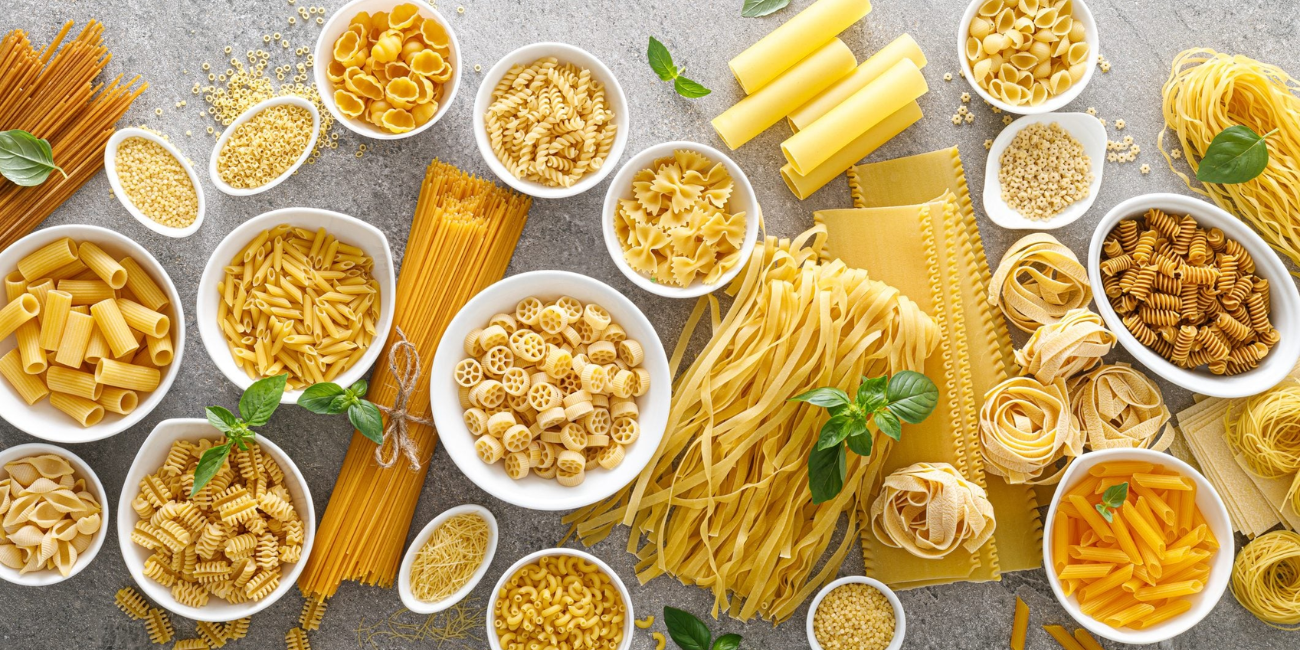
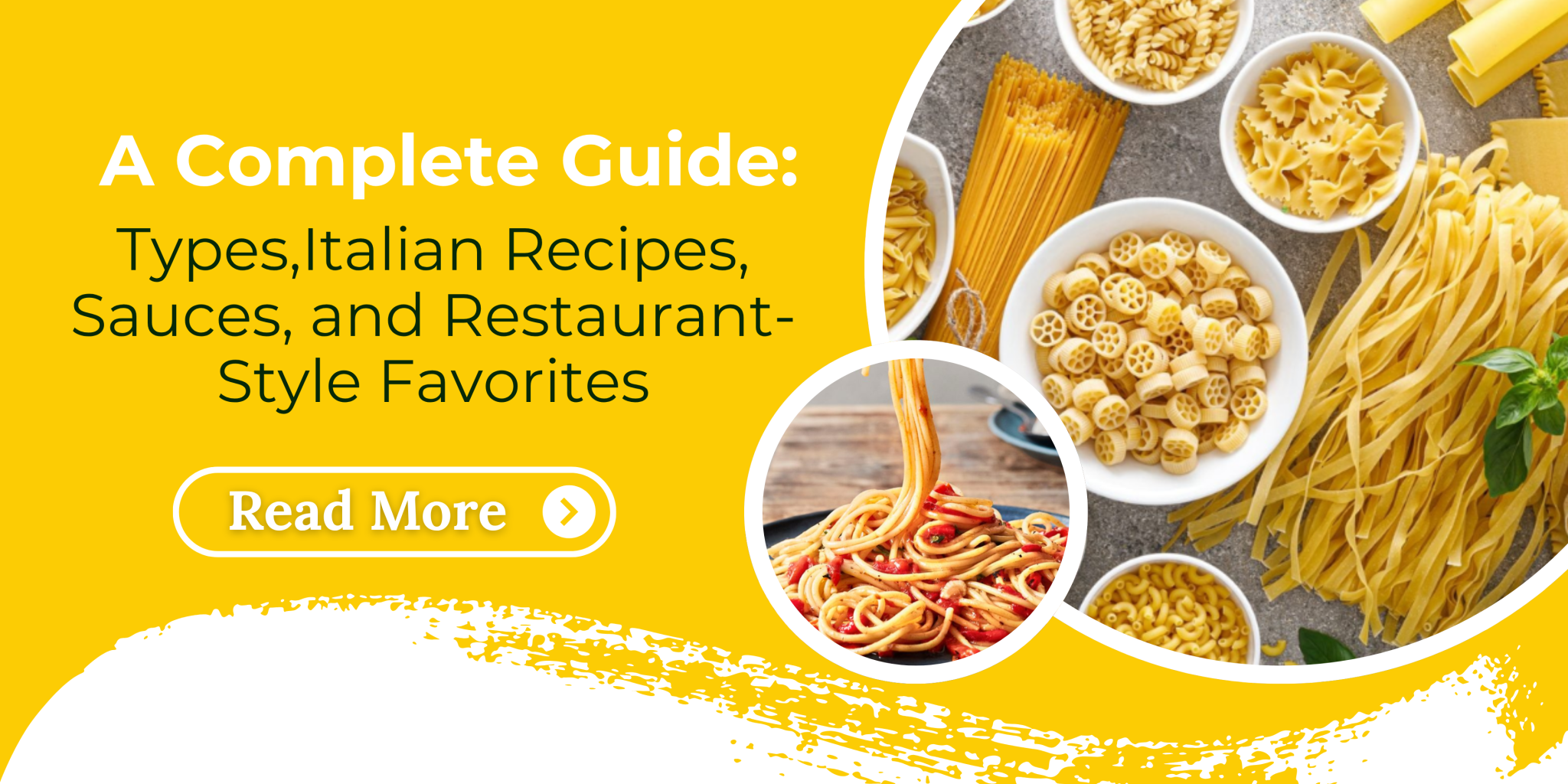
Assorted uncooked pasta varieties are arranged in bowls and on a gray surface, with some basil leaves scattered among them

Pasta is one of those foods that can turn a simple meal into something memorable. It can be creamy or light, spicy or mild, vegetarian or packed with chicken, baked until golden or tossed quickly with olive oil and herbs. Its versatility is one reason it remains popular across the world.

Although pasta is strongly associated with Italian cuisine, it has become a global comfort food. Today, you can find classic Italian preparations alongside modern variations in restaurants, cafés, and home kitchens. Understanding the different shapes, sauces, ingredients, and cooking methods can make it easier to choose the right dish for your mood.

This guide explores the world of pasta in a simple and practical way. It covers popular types of pasta, explains how sauces work with different shapes, shares several Italian pasta recipes, and looks at what to consider when searching for pasta near me.

For diners in Varanasi who want to explore Italian and other global flavours in one place, Behind Yellow Doors Diner (BYD Diner) offers an Italian section alongside a wider multi-cuisine menu. Its published menu includes options such as Mac N Cheese, Penne with white, red or pink sauce, Spaghetti Aglio e Olio, and Lasagna Al Forno.

What Is Pasta?

Pasta is generally made from a simple combination of flour and water, although some varieties also use eggs. The dough is mixed, shaped, and cooked in boiling water before being combined with sauce or other ingredients.

What makes pasta interesting is the enormous variety of shapes. Each shape has a different surface area, thickness, and texture. These characteristics affect how well it holds sauce.

For example, long strands such as spaghetti work well with smooth or lightly textured sauces. Tubular shapes such as penne can hold thicker sauces inside and around their ridges. Flat sheets are ideal for layered baked dishes.

The ingredients may be simple, but the possibilities are almost endless.

A good plate depends on more than just the noodles. The quality of the sauce, balance of seasoning, cooking time, freshness of ingredients, and final combination all matter.

Why Is Pasta So Popular?

There are several reasons this food has become a favourite around the world.

1. It is versatile

The same basic ingredient can become many different meals. A light garlic-and-oil preparation feels completely different from a rich cheese sauce or a tomato-based meat sauce.

2. It suits different diets

There are many vegetarian preparations, while chicken and other proteins can be added for people who prefer a more substantial meal.

3. It works for different occasions

A simple plate can be suitable for lunch. A baked dish can work well for a family dinner. A creamy preparation can feel indulgent, while an olive-oil-based recipe can be relatively light.

4. It pairs well with vegetables

Tomatoes, mushrooms, bell peppers, spinach, broccoli, zucchini, olives, and many herbs can be incorporated easily.

5. It is easy to customize

One person may prefer extra cheese, another may want chilli, while someone else may choose a vegetable version.

This flexibility makes it particularly suitable for group dining.

Understanding the Different Types of Pasta

When people talk about types of pasta, they are usually referring to the shape and size of the pasta. There are hundreds of varieties, but some are more common in restaurants and home kitchens.

Spaghetti

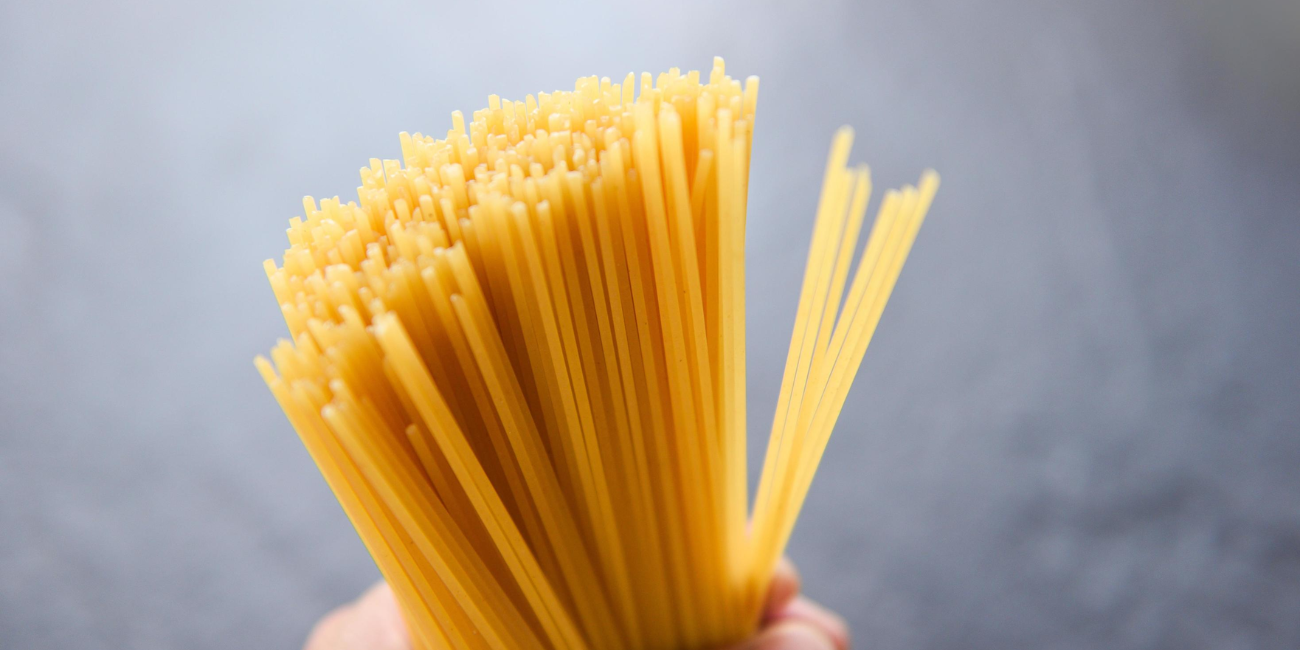
A close-up of a person holding uncooked spaghetti, emphasizing the texture and shape of the noodles

Spaghetti is one of the most recognizable varieties. It consists of long, thin strands and is commonly paired with tomato sauces, garlic and olive oil, seafood preparations, and meat sauces.

Its long shape allows sauce to coat the strands evenly.

Classic dishes such as Spaghetti Aglio e Olio and Spaghetti Bolognese are popular examples.

Penne

Penne is short and tube-shaped. Its hollow centre gives sauce somewhere to collect, while ridged versions provide additional surface area.

This makes it suitable for creamy, tomato-based, and cheesy sauces.

Penne is also convenient for baked dishes because the shape remains substantial after cooking.

Lasagne

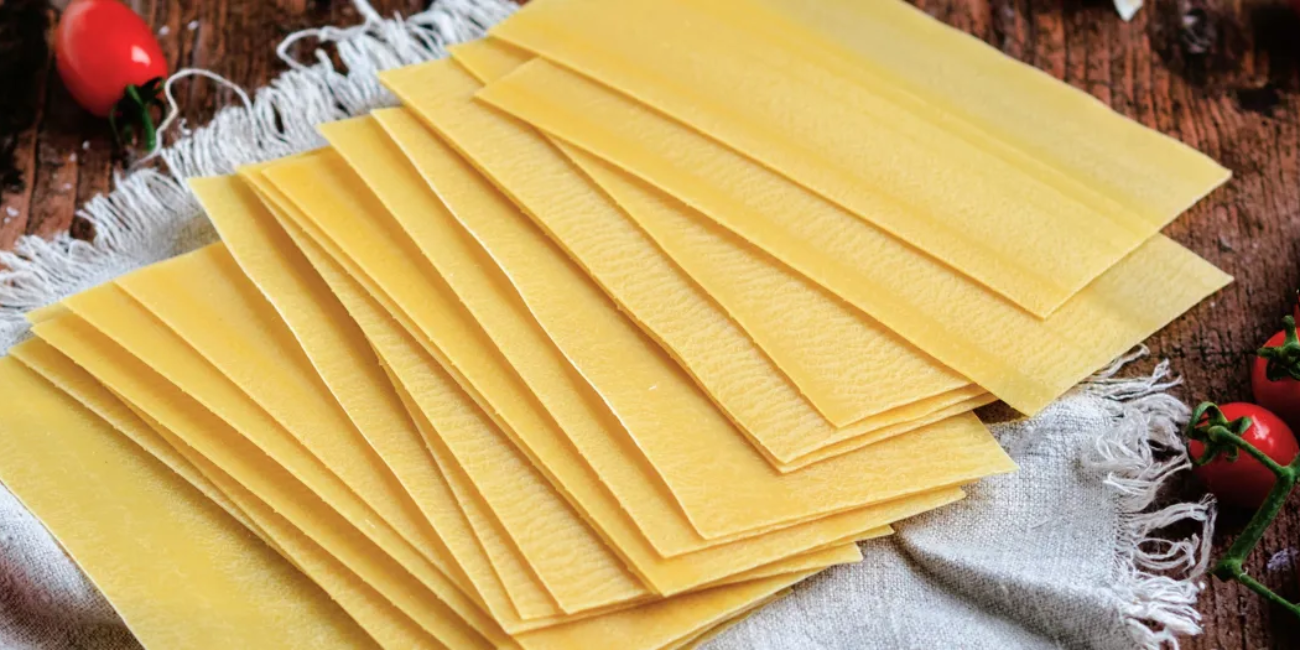
A white napkin holds uncooked lasagne sheet and sliced red peppers, ingredients for an uncooked lasagne dish

Lasagne consists of broad, flat sheets that are layered with sauce, vegetables, cheese, and other fillings before being baked.

It is especially popular for family meals because one baking dish can serve several people.

Vegetable and chicken versions are both widely enjoyed.

Macaroni

Macaroni is a short, curved variety that is strongly associated with cheese-based preparations.

Its shape works particularly well with thick, creamy sauces because the sauce coats the inside and outside.

That makes it a natural choice for Mac & Cheese.

Fusilli

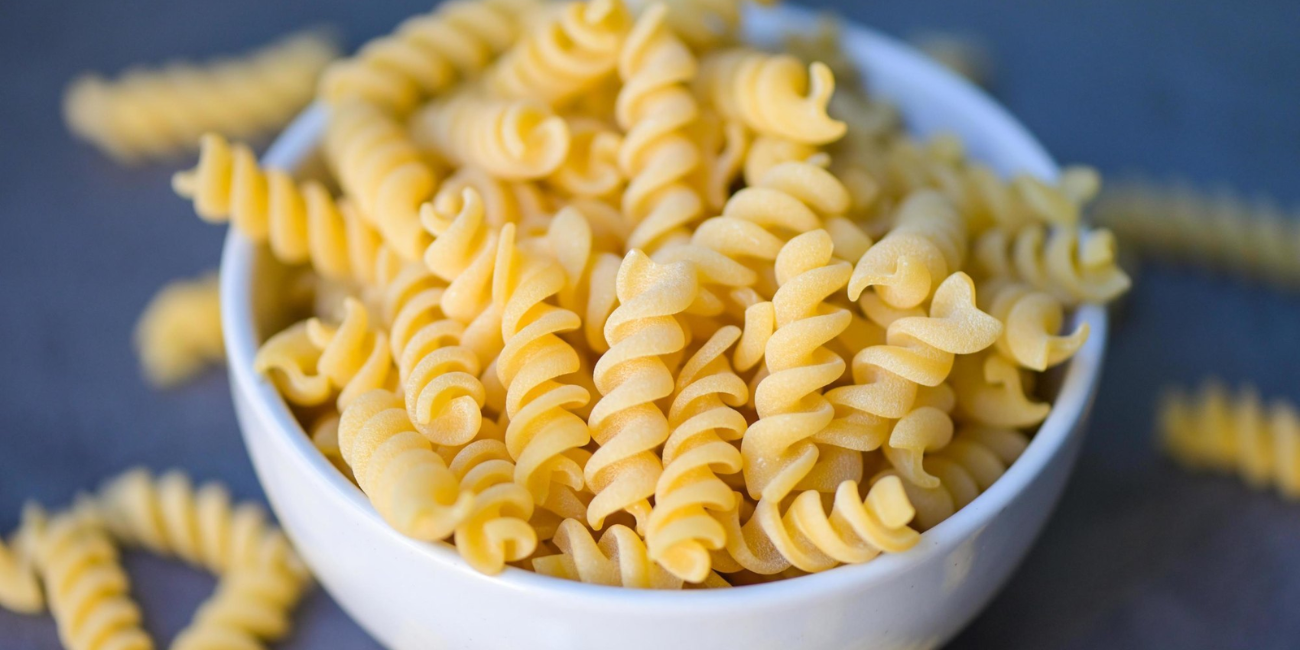
A bowl of uncooked fusilli pasta placed on a wooden table, showcasing its spiral shape and texture

Fusilli has a spiral shape. The twists create small spaces that capture sauce.

It works well with pesto, creamy sauces, vegetable sauces, and chunky preparations.

Farfalle

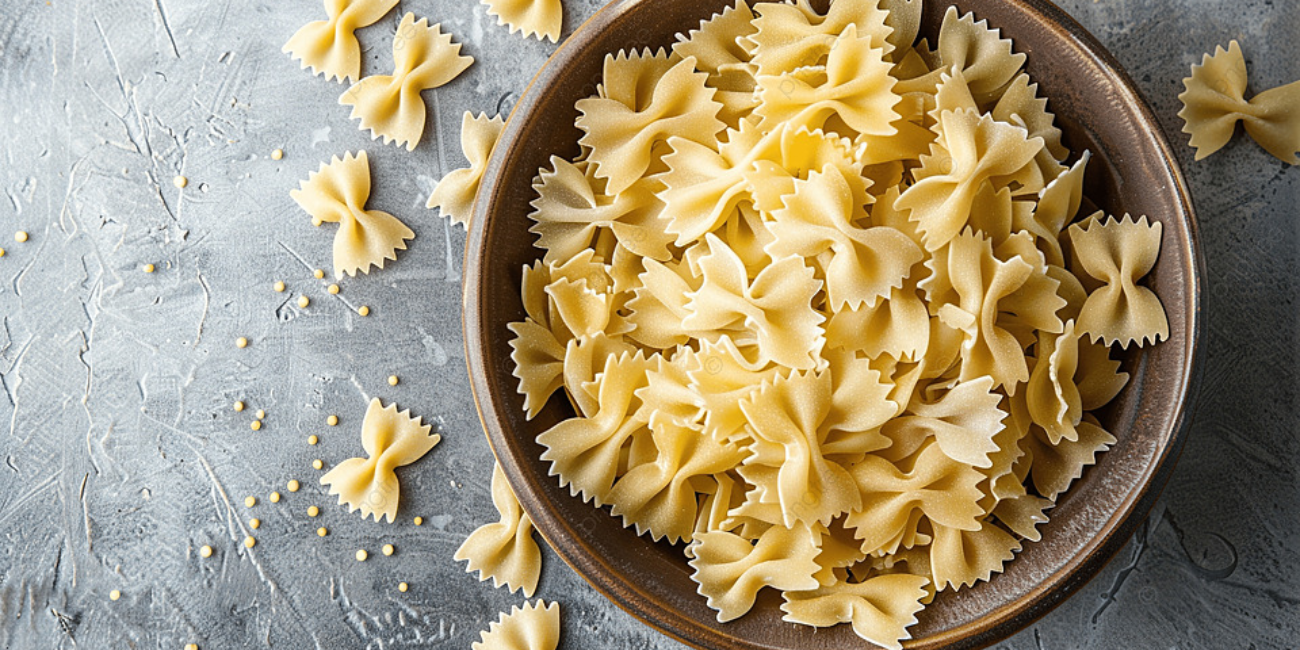
A bowl filled with uncooked farfalle pasta placed on a table

Farfalle is often called bow-tie pasta because of its distinctive shape.

Its combination of thin and thicker sections creates an interesting texture. It works particularly well in salads and lighter preparations.

Ravioli

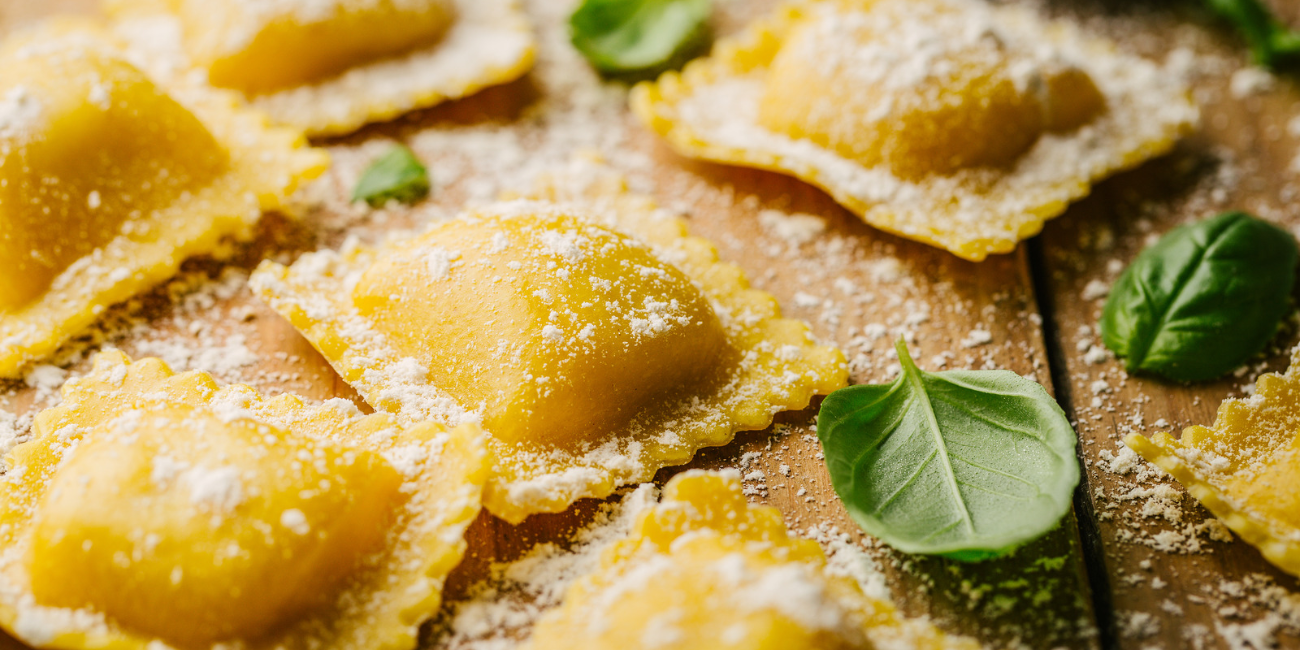
Close-up of uncooked ravioli arranged with fresh basil leaves on a wooden surface

Ravioli consists of filled pasta pockets. Fillings can include cheese, vegetables, meat, or other ingredients.

Because ravioli already contains a filling, the sauce is usually chosen carefully so it complements rather than hides the filling.

How to Choose the Right Sauce

Choosing a sauce is just as important as choosing the shape.

A useful rule is to consider the weight of the sauce and the structure of the pasta.

Thin strands generally work well with lighter sauces. Short or ridged shapes can handle thicker sauces. Large or flat varieties are excellent for layered preparations.

Tomato-based sauces

Tomato sauces are bright, slightly acidic, and versatile. They can be combined with vegetables, herbs, cheese, chicken, or meat.

Cream-based sauces

Cream sauces are rich and smooth. They pair well with cheese, mushrooms, chicken, herbs, and short pasta.

Olive-oil-based sauces

These tend to feel lighter than cream-based preparations. Garlic, chilli, herbs, vegetables, and protein can be added.

Pesto

Pesto traditionally combines basil, nuts, cheese, garlic, and olive oil. Its fresh herbal character works particularly well with pasta that can hold the sauce.

Cheese sauces

Cheese-based preparations are rich, comforting, and filling. Macaroni is a classic example, but other shapes can work too.

Six Italian-Inspired Pasta Recipes to Try

The following recipes cover some of the most popular preparations and include the specific dishes requested for this guide.

1. Lasagne — Vegetable / Chicken

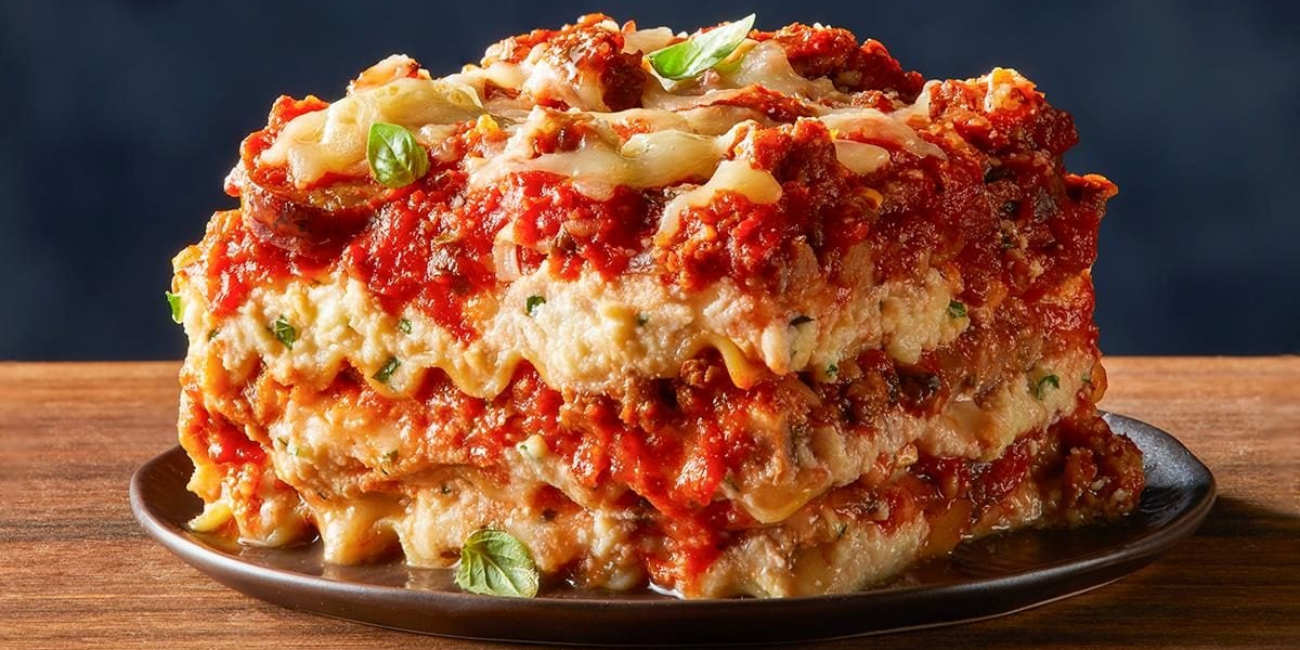
A close-up of a plate with a stacked lasagna, highlighting its cheesy layers and savory sauce

Lasagne is one of the most satisfying baked dishes in Italian cuisine.

Ingredients

For a vegetable version:

  • Lasagne sheets
  • Tomato sauce
  • Mixed vegetables
  • Onion
  • Garlic
  • Italian herbs
  • Cheese
  • White sauce or béchamel
  • Salt and pepper
  • Olive oil

For a chicken version, cooked minced or finely chopped chicken can be added to the tomato filling.

Method

Begin by preparing the filling. Sauté onion and garlic in olive oil. Add vegetables and cook until they soften. Add tomato sauce, herbs, salt, and pepper.

For the chicken version, cook the chicken thoroughly before adding the sauce.

Prepare a smooth white sauce separately.

Layer the dish in a baking tray:

  1. Tomato filling
  2. Lasagne sheet
  3. White sauce
  4. Cheese
  5. Repeat

Finish with cheese on top.

Bake until the sheets are tender and the surface becomes golden.

Why it works

Lasagne combines several textures in one dish. Soft sheets, creamy sauce, rich filling, and melted cheese create a balanced bite.

It is also an excellent choice for sharing.

2. Mac & Cheese Pasta

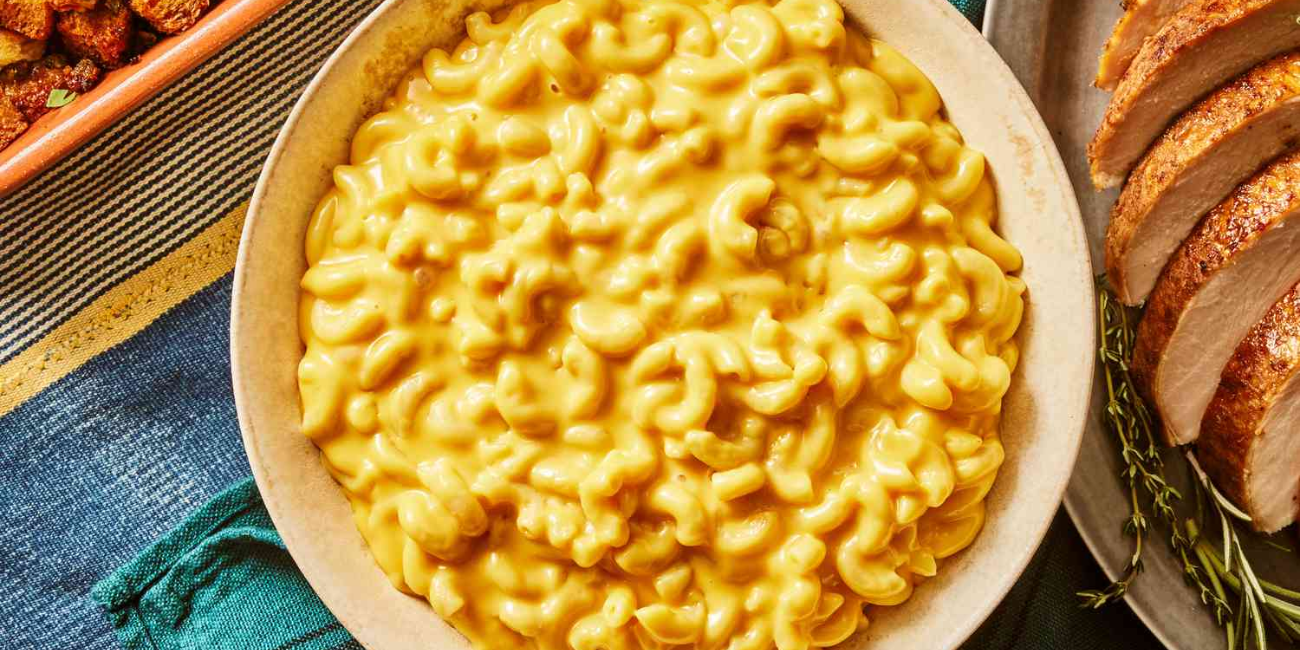
A bowl filled with creamy macaroni and cheese

Few dishes represent comfort food as clearly as Mac & Cheese.

The foundation is simple: cooked macaroni combined with a creamy cheese sauce.

Ingredients

  • Macaroni
  • Butter
  • Flour
  • Milk
  • Cheese
  • Salt
  • Black pepper
  • Optional chilli flakes
  • Optional herbs

Method

Cook the macaroni until tender but not overly soft.

Prepare the sauce by melting butter and adding flour. Stir carefully to create a smooth mixture. Gradually add milk while stirring.

Once the sauce thickens, add grated cheese.

Season with salt and pepper.

Add the cooked macaroni and mix until every piece is coated.

For an oven-baked version, transfer the mixture to a baking dish, add more cheese, and bake until golden.

Tips for better results

Do not overcook the pasta before adding it to the sauce. Slightly firm pasta works better because it continues cooking when mixed with hot sauce.

Use cheese that melts smoothly.

A little black pepper can add depth without overpowering the cheese.

3. Penne — Vegetable / Chicken with Choice of Sauce

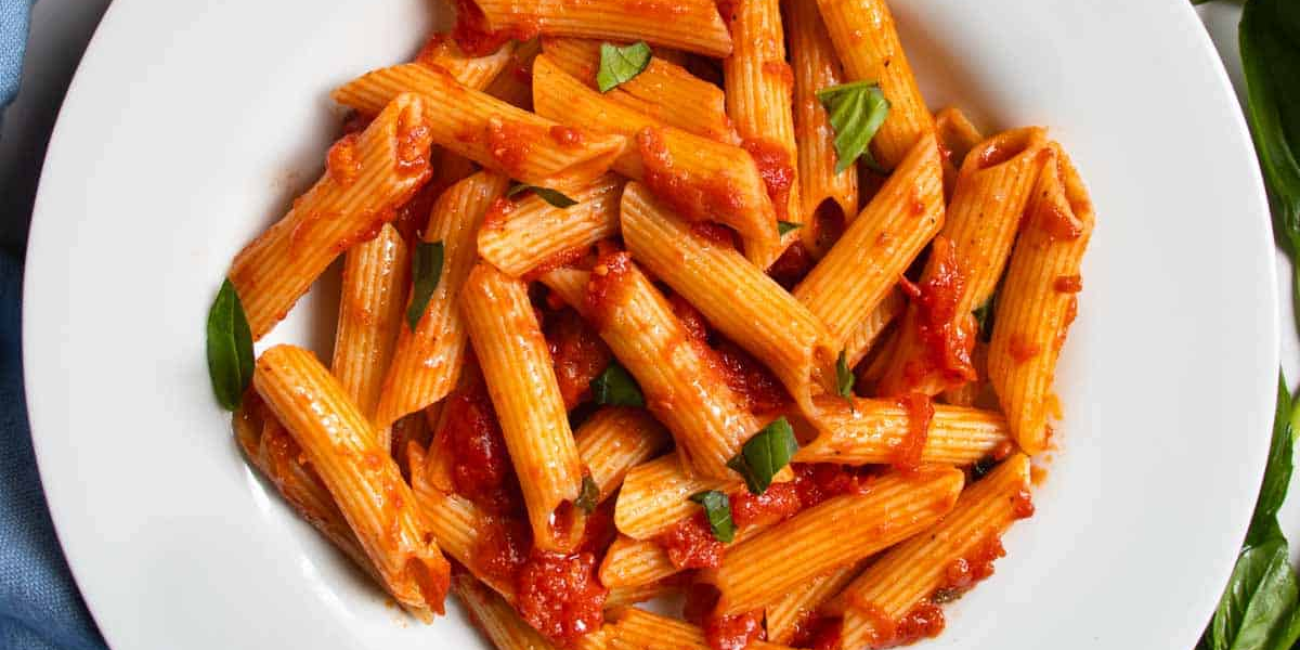
A bowl of penne pasta topped with rich tomato sauce, garnished with fresh basil leaves

Penne is among the most flexible shapes for a restaurant-style meal.

Its tubular structure works with several sauce styles, including white, red, and pink sauces.

The published BYD Diner menu lists Penne with white, red, or pink sauce, as well as a chicken version.

Vegetable version

You can combine penne with:

  • Bell peppers
  • Onion
  • Mushrooms
  • Broccoli
  • Zucchini
  • Sweet corn
  • Olives

Chicken version

Grilled or sautéed chicken can be added for extra protein and a more filling meal.

Sauce options

White sauce

Creamy and smooth, white sauce is ideal when you want a rich and comforting dish.

Red sauce

Tomato-based red sauce provides acidity and freshness.

Pink sauce

Pink sauce combines tomato and cream, giving you a balance between the brightness of tomato and the richness of a cream sauce.

Cooking method

Cook the penne in salted boiling water.

Prepare your selected sauce separately.

Sauté vegetables or chicken.

Add the cooked penne to the pan and toss everything together.

Finish with herbs, cheese, or freshly ground pepper.

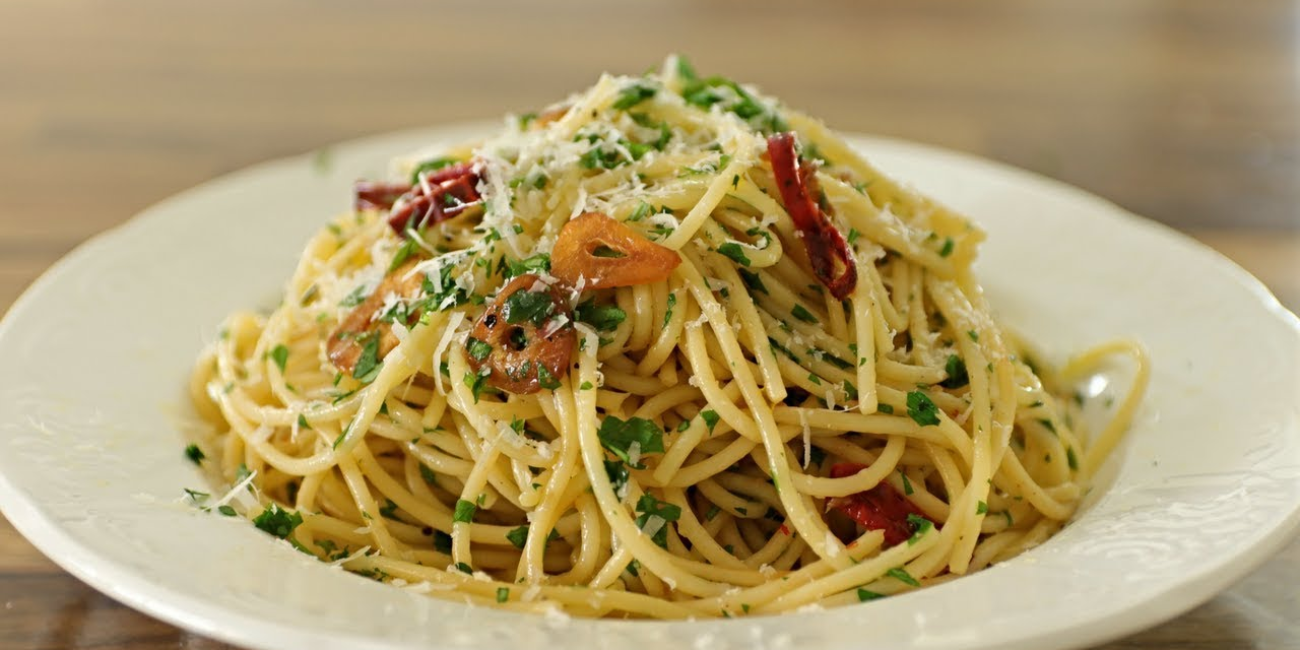
4. Spaghetti Aglio e Olio — Vegetable / Chicken

A plate of Spaghetti Aglio e Olio topped with fresh tomatoes and herbs, served with a side of chicken and vegetables

Aglio e Olio is a classic example of how a few ingredients can create a satisfying meal.

The name refers to garlic and olive oil, which form the foundation of the dish.

The BYD Diner menu also features Spaghetti Aglio e Olio, including a chicken variation.

Ingredients

  • Spaghetti
  • Olive oil
  • Garlic
  • Chilli flakes
  • Parsley or herbs
  • Salt
  • Black pepper

For a chicken version, add cooked chicken pieces.

Vegetables such as bell peppers, mushrooms, spinach, or broccoli can also be included.

Method

Cook the spaghetti until al dente.

Meanwhile, warm olive oil in a pan.

Add sliced garlic and cook gently. Avoid burning it because burnt garlic can become bitter.

Add chilli flakes.

Add the cooked spaghetti and toss thoroughly.

Use a little pasta cooking water to help the oil coat the strands.

Finish with herbs and black pepper.

Why it is special

This preparation demonstrates that a dish does not need a complicated sauce to taste good.

The quality and balance of the basic ingredients matter.

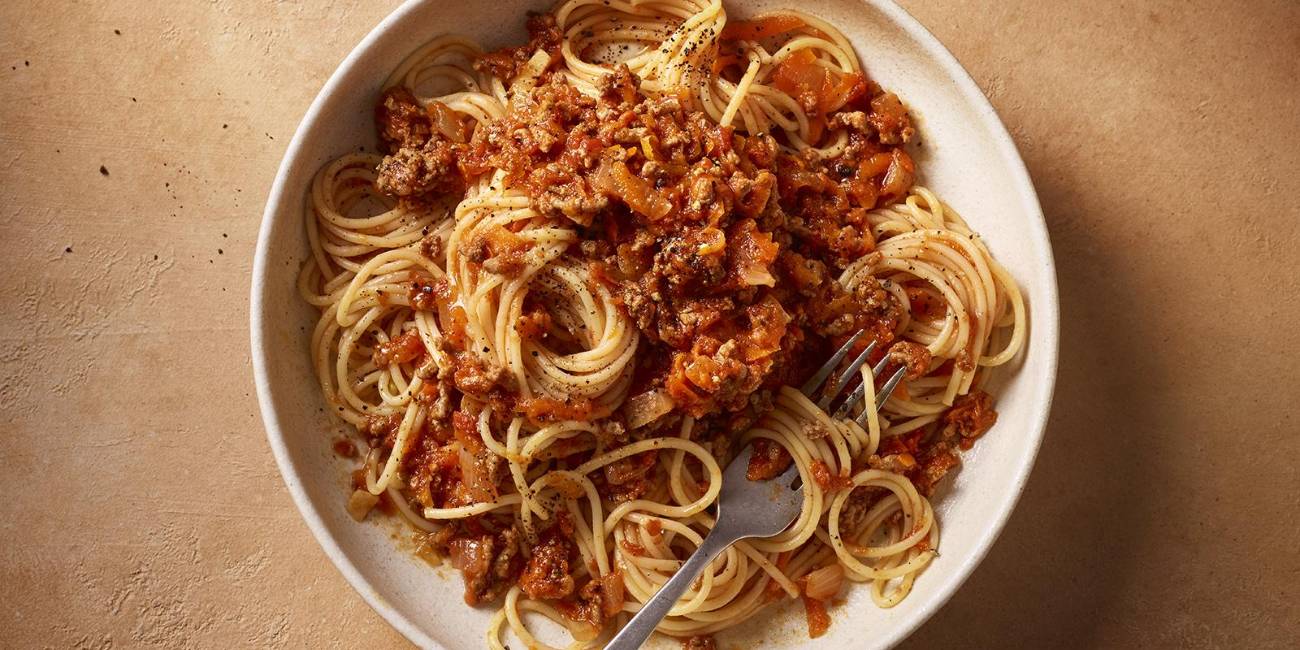
5. Spaghetti Bolognese

A white bowl filled with spaghetti topped with rich chicken sauce, garnished with herbs

Spaghetti Bolognese is a well-known combination of spaghetti and rich tomato-based meat sauce.

A restaurant or home version can be adapted according to dietary preferences.

Ingredients

  • Spaghetti
  • Tomato sauce
  • Onion
  • Garlic
  • Carrot
  • Herbs
  • Olive oil
  • Salt and pepper
  • Minced chicken or another preferred protein

Method

Start by sautéing onion, garlic, and finely chopped carrot.

Add the minced chicken and cook thoroughly.

Add tomato sauce and herbs.

Allow the mixture to simmer so the flavours develop.

Cook spaghetti separately.

Combine the pasta and sauce, or serve the sauce over the spaghetti.

Top with grated cheese if desired.

The key to a good sauce

Do not rush the sauce.

Allowing it to simmer gives the ingredients time to combine. The result should be rich but balanced rather than overly acidic.

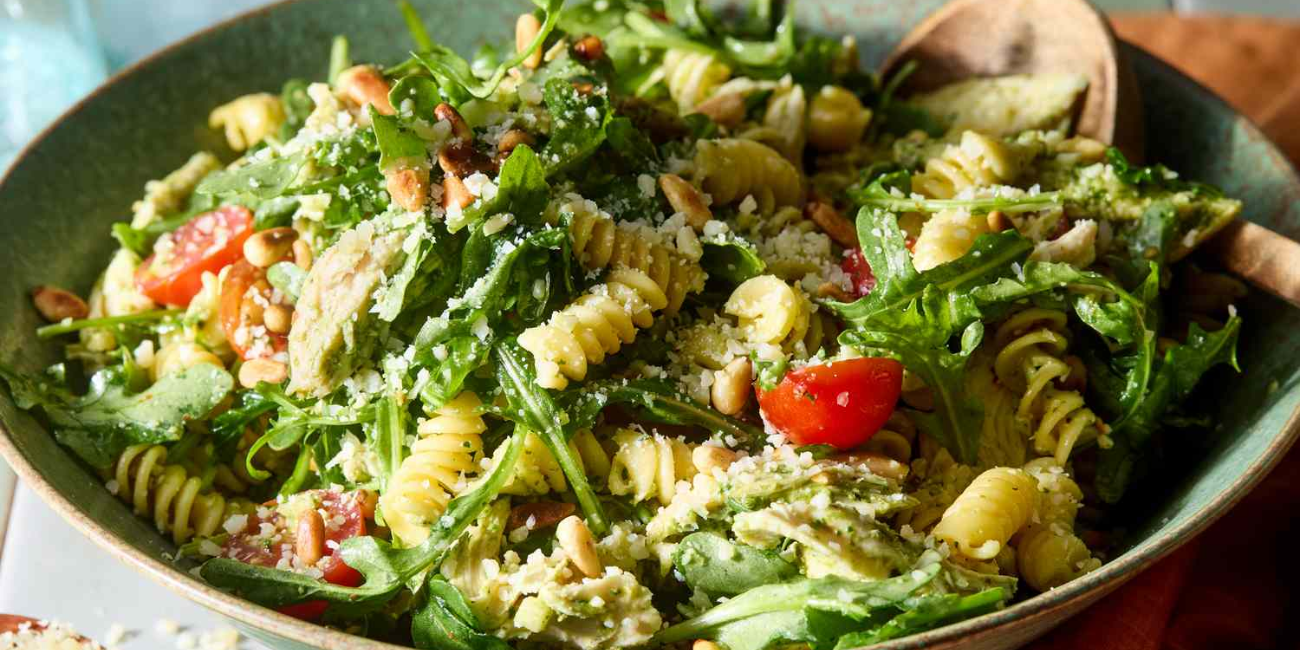
6. Pesto Pasta

A vibrant bowl of pasta salad with pesto, cherry tomatoes, pine nuts, and sprinkled parmesan cheese

Pesto offers a completely different flavour profile.

Instead of relying primarily on tomato or cream, it uses fresh herbs, olive oil, nuts, garlic, and cheese.

Ingredients

  • Pasta
  • Fresh basil
  • Olive oil
  • Garlic
  • Nuts
  • Parmesan or another hard cheese
  • Salt
  • Black pepper

Method

Blend or crush basil, garlic, nuts, cheese, and olive oil until you get a textured sauce.

Cook your chosen pasta.

Add the pesto after draining the pasta.

Toss gently.

Avoid cooking pesto aggressively because excessive heat can reduce its fresh herbal character.

Vegetable additions

Pesto pairs beautifully with:

  • Cherry tomatoes
  • Mushrooms
  • Spinach
  • Bell peppers
  • Broccoli
  • Zucchini

Chicken can also be added if you prefer a protein-rich meal.

How to Cook Pasta Properly

Even the best sauce cannot save badly cooked pasta.

Here are a few simple principles.

Use enough water

Pasta needs room to move while cooking.

A large pot helps reduce sticking.

Salt the water

Salt adds flavour to the pasta itself.

Avoid overcooking

The term al dente refers to pasta that remains slightly firm when bitten.

It should not be hard, but it should have some texture.

Reserve some cooking water

Pasta water contains starch released during cooking.

A small amount can help sauces bind to the pasta and create a smoother finish.

Do not automatically rinse pasta

For most hot pasta dishes, rinsing is unnecessary.

The surface starch can help sauce cling to the pasta.

Rinsing is more common when pasta is being used for certain cold preparations.

What Makes Restaurant-Style Pasta Different?

Cooking at home is rewarding, but restaurant kitchens often have a few advantages.

Professional cooks work with controlled heat, prepared sauces, fresh ingredients, and consistent cooking techniques.

They also pay attention to the presentation.

A good plate should have balance:

  • Enough sauce
  • Properly cooked pasta
  • Balanced seasoning
  • Suitable toppings
  • Appropriate portion size

The sauce should complement the pasta rather than overwhelm it.

At BYD Diner, Italian dishes are part of a broader global menu. The restaurant describes itself as a multi-cuisine dining destination, bringing together Italian, Indian, Mexican, Chinese, and other flavours.

Choosing Between Vegetarian and Chicken Options

The choice between vegetable and chicken preparations often comes down to preference and appetite.

Vegetable versions can highlight the natural sweetness and texture of ingredients such as peppers, mushrooms, tomatoes, spinach, and broccoli.

Chicken versions can provide additional protein and make the dish feel more substantial.

There is no universally better option.

For a lighter meal, a vegetable preparation with tomato or olive oil may be appealing.

For a richer meal, chicken with creamy or tomato sauce can be a good choice.

The important factor is balance.

Pasta as a Family Meal

One reason this cuisine works well for families is that different people can choose different flavours without changing the basic meal.

One person might want creamy Mac & Cheese.

Another might prefer Penne in red sauce.

Someone else might choose Aglio e Olio.

A shared table can therefore include several different preparations.

This is particularly useful in a multi-cuisine restaurant, where pasta can be ordered alongside pizza, Indian food, Asian dishes, Mexican food, or desserts.

BYD Diner positions itself around this kind of variety, describing its concept as a place where global flavours come together in one dining experience.

What to Look for When Searching “Pasta Near Me”

When searching for pasta near me, distance is only one part of the decision.

Consider the following factors.

Menu variety

Does the restaurant offer several shapes and sauces?

A wider menu gives you more flexibility.

Vegetarian choices

If you are dining with a group, make sure there are suitable vegetarian options.

Chicken options

If you prefer protein-based dishes, check whether chicken is available.

Sauce selection

A restaurant offering white, red, pink, pesto, or olive-oil-based preparations provides more choice.

Dining atmosphere

Food tastes better when the environment suits the occasion.

For a family meal, comfortable seating matters.

For a date or celebration, ambience may be equally important.

Location

A nearby restaurant can be convenient, especially when you want a relaxed meal rather than spending significant time travelling.

Why Multi-Cuisine Restaurants Work Well for Pasta Lovers

Imagine a group of five people.

One wants Italian food.

One wants Indian food.

One wants Chinese food.

Another wants Mexican flavours.

Someone else wants a burger.

A single-cuisine restaurant can make this difficult.

A multi-cuisine restaurant solves the problem.

BYD Diner is built around this concept. Its current website describes a menu that combines global cuisines, while its published menu includes a dedicated Italian section with pizza and several pasta preparations.

This makes the experience convenient for groups with different preferences.

Pairing Pasta With the Right Sides

A pasta dish can be served alone, but side dishes can make the meal more complete.

Garlic bread

Garlic bread is a classic companion. Its crisp exterior and soft centre work well with creamy and tomato-based sauces.

Salad

A fresh salad provides contrast to rich sauces.

Soup

Soup can work well before a pasta-based main course, especially during a relaxed dinner.

Beverages

A refreshing non-alcoholic drink can help balance rich or spicy dishes.

Dessert

A sweet finish can complete the meal.

BYD Diner’s broader dining experience includes desserts and beverages in addition to its main dishes, making it possible to create a complete meal rather than ordering only one course.

Pasta for Different Occasions

Quick lunch

Choose something simple such as Aglio e Olio or Penne with a lighter sauce.

Family dinner

Lasagne or a larger baked preparation can be ideal for sharing.

Date night

Pesto or a well-prepared creamy dish can offer a more indulgent experience.

Group gathering

Penne is particularly convenient because it can be prepared with different sauces and proteins.

Comfort-food craving

Mac & Cheese is difficult to beat when you want something rich and satisfying.

Common Mistakes When Making Pasta at Home

Even simple recipes can go wrong.

Using too little water

This can make the pasta stick together.

Overcooking

Soft, mushy pasta loses much of its texture.

Adding too much sauce

The sauce should coat the pasta, not bury it.

Burning garlic

Garlic becomes bitter when it is cooked too aggressively.

Ignoring seasoning

Even a good sauce needs proper seasoning.

Adding pesto too early

Fresh pesto is best treated gently.

Forgetting pasta water

A little starchy cooking water can help bring sauce and pasta together.

How to Make Your Homemade Dish Taste Better

You do not need expensive ingredients to improve a simple preparation.

Use good-quality olive oil.

Add freshly ground pepper.

Use fresh herbs when possible.

Grate cheese just before serving.

Balance acidity with richness.

Add chilli carefully.

Most importantly, taste the food during cooking.

Seasoning is not something that should happen only at the end.

The Balance Between Traditional and Modern Pasta

Traditional Italian cooking often emphasizes simplicity. Modern restaurant menus may introduce additional ingredients, fusion flavours, local preferences, and different proteins.

Neither approach is necessarily better.

Traditional recipes teach us how to balance a small number of ingredients.

Modern cooking allows chefs to experiment.

The best dishes often respect the fundamentals while giving diners enough choice to make the meal their own.

This approach fits naturally into a modern multi-cuisine restaurant.

BYD Diner, for example, combines Italian preparations with Indian, Mexican, Asian, and other global dishes rather than limiting the menu to one cuisine.

A Simple Guide to Ordering Pasta

If you are unsure what to order, start with your mood.

Want something creamy?

Try Mac & Cheese or Penne in white sauce.

Want something fresh and herbal?

Choose Pesto Pasta.

Want something light and garlicky?

Aglio e Olio is a strong option.

Want tomato flavour?

Choose Penne in red sauce or Spaghetti Bolognese.

Want something baked and filling?

Go for Lasagne.

Want chicken?

Choose a chicken variation of Penne or Aglio e Olio.

This simple approach can make the menu easier to navigate.

Pasta and the Experience of Dining Out

Food is only part of a restaurant visit.

The atmosphere, seating, service, presentation, company, and overall comfort all influence how people remember a meal.

BYD Diner emphasizes this broader experience. Its website describes the restaurant as a place for solo visits, gatherings with friends, romantic evenings, and celebrations, supported by a global menu.

That matters because dining out is often about more than satisfying hunger.

It can be a chance to meet friends, celebrate an occasion, relax after work, or simply try something new.

Final Thoughts

Pasta is popular for a simple reason: it gives people almost unlimited ways to enjoy one familiar ingredient.

There are countless types of pasta, each suited to different sauces and preparations. Spaghetti, penne, lasagne, macaroni, fusilli, and other shapes all offer their own texture and character.

The recipes covered here—from Vegetable or Chicken Lasagne and Mac & Cheese to Penne, Spaghetti Aglio e Olio, Spaghetti Bolognese, and Pesto Pasta—show just how different the final result can be.

If you enjoy cooking, these dishes are excellent starting points for experimenting with sauces, vegetables, herbs, cheese, and proteins.

If you prefer dining out, searching for pasta near me can be the first step toward discovering a restaurant that offers the flavours and atmosphere you want.

For people in Varanasi looking for Italian food within a wider multi-cuisine dining experience, Behind Yellow Doors Diner offers several Italian favourites, including Penne, Spaghetti Aglio e Olio, Mac N Cheese, and Lasagna Al Forno according to its published menu.

Ultimately, the best dish is the one that matches your appetite, your company, and the experience you want.

Whether you prefer a simple garlic-and-oil preparation, a rich cheese sauce, a tomato-based classic, a fresh pesto, or a hearty baked dish, there is always another combination to discover.

And that is what makes pasta so enjoyable: one ingredient, countless possibilities, and a dish for almost every occasion.

Frequently Asked Questions

1. what are the most popular types of pasta?

Some widely known varieties include spaghetti, penne, macaroni, lasagne, fusilli, farfalle, and ravioli. Each shape works best with particular sauce styles.

2. Which pasta is best with creamy sauce?

Penne and macaroni work especially well because their shapes hold thick sauces. Other short pasta varieties can also be excellent choices.

3. What is a good vegetarian pasta option?

Vegetable Penne, Pesto Pasta, Vegetable Lasagne, and Aglio e Olio with vegetables are versatile choices.

4. Which dish should I choose if I want chicken?

Chicken Penne and Chicken Aglio e Olio are good options. Chicken can also be included in Lasagne and other tomato-based preparations.

5. What should I look for when searching for pasta near me?

Consider menu variety, sauce choices, vegetarian and chicken options, location, atmosphere, service, and reviews before choosing a restaurant.

6. Is pasta suitable for family dining?

Yes. Its wide range of shapes, sauces, vegetarian choices, and protein options makes it suitable for groups with different preferences.

7. What is the difference between red, white, and pink sauce?

Red sauce is generally tomato-based, white sauce is creamy, and pink sauce combines tomato and cream for a balance between the two.

8. Where can I enjoy Italian pasta in Varanasi?

Behind Yellow Doors Diner has an Italian section on its published menu, including Penne, Spaghetti Aglio e Olio, Mac N Cheese, and Lasagna Al Forno.

Table of Contents

Our Recent Posts